
Southlake Plans Multi-Phase Improvements to T.W. King Pump Station






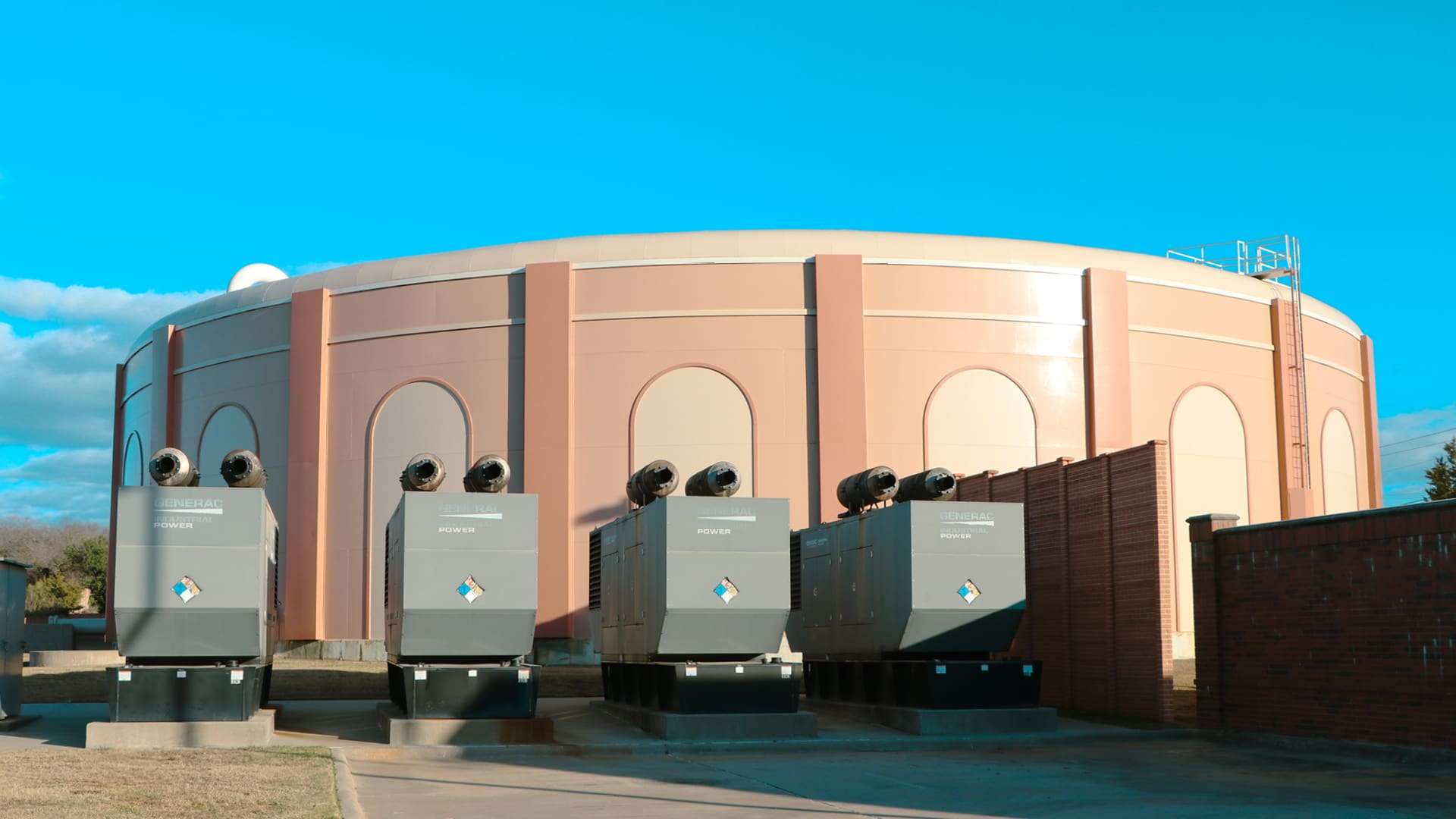
Photo courtesy of City of Southlake
Photo courtesy of City of Southlake
The City of Southlake is investing in the T.W. King Pump Station Improvements, a multi-phase Capital Improvements Program project intended to improve water quality, system capacity and reliability for the community.
The pump station stores and moves water throughout the city. The planned upgrades are designed to help the system operate more efficiently as Southlake grows and water demands change, while providing additional capacity for current and future needs.
Phase I is expected to kick off this fall, with completion anticipated in fall 2028. The second phase remains in design, while the third phase is in pre-design.
Phase I will focus on upgrading existing equipment and improving the station’s reliability. Planned work includes replacing pumps and motors, installing an additional pump and motor, and adding a backup power generator. The upgrades are intended to strengthen the station’s resiliency and help it continue operating during power outages.
Phase 2 will add storage capacity and enhance water quality. The work is planned to include a new 5-million-gallon water storage tank, drainage and security upgrades, fencing improvements, maintenance of the existing storage tank, and a new water-quality management system. The added storage is expected to provide greater flexibility during periods of high demand and emergency conditions.
Phase 3 will serve as the pump station’s final expansion. Planned improvements include additional pumps, motors and piping for the high-pressure water system, an enclosure for exposed equipment, and a connection to the city’s wastewater system.
The project improvements are informed by city-conducted reports prepared to comply with the American Water Infrastructure Act and 2022 Texas Senate Bill 3. Those requirements call for identifying potential risks to water systems and pursuing opportunities to improve security and resiliency.
Together, the phases are intended to support everyday water demand, protect critical equipment and reduce the potential for service interruptions during emergencies, system failures or severe weather.